

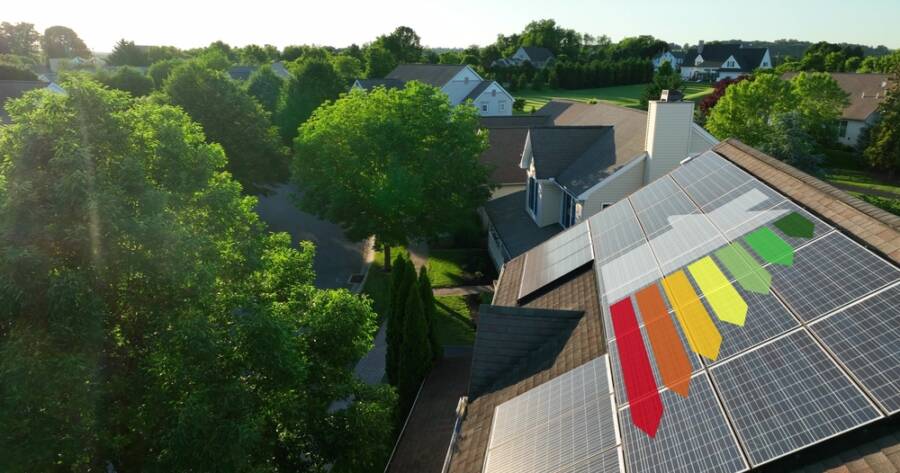
Solar panel performance hinges on several key factors, including sun exposure, roof orientation, shading, and temperature. Each element plays a vital role in determining energy efficiency and output. By understanding and optimizing these aspects, homeowners can maximize their solar investment, ensuring sustainable energy savings and enhanced system performance. Explore the intricacies of solar optimization and its benefits.
The Importance of Sun Exposure for Solar Panel Performance
Sun exposure is a critical factor in determining the efficiency and energy output of solar panels. Solar panels require direct sunlight to generate electricity, and the more sunlight they receive, the more energy they produce.
This makes it essential to install panels in locations with maximum sun exposure, free from obstructions like trees and buildings (source). The concept of peak sun hours, which measures the intensity and duration of usable sunlight, is crucial for estimating daily solar energy output and calculating return on investment (source).
Optimal Roof Orientation and Tilt
The orientation and tilt of solar panels significantly influence their performance. For optimal results, panels should be installed on a south-facing roof, angled at approximately 30 degrees, to maximize sun exposure throughout the day (source). Proper positioning of solar panels, including their tilt and orientation, is crucial for maximizing energy production. Adjusting the angle and ensuring panels are free from shading can significantly enhance energy output (source).
The Impact of Shade on Solar Panel Efficiency
Shade is a significant factor that can drastically reduce solar panel efficiency by blocking sunlight. Solar panels produce about half as much energy under shade compared to direct sunlight (source).
However, advancements in solar technology and the use of solar batteries can mitigate these effects, ensuring energy availability even during overcast conditions. The source of shade can vary, including clouds, trees, and roof components. A professional assessment can help design a solar array that maximizes efficiency and output despite some shading (source).
Temperature and Its Effects on Solar Panels
Temperature plays a critical role in solar panel efficiency. As temperatures rise above 25°C (77°F), the efficiency of solar panels decreases due to the temperature coefficient of the panels (source). This is particularly important in hot climates where energy losses can be significant. Cooler temperatures can actually enhance solar panel efficiency, as excessive heat can reduce their performance (source).
Why You Should Learn More About Solar Panel Optimization Today
Understanding how sun exposure affects solar panels is essential for getting the most value from a solar energy system. Factors like roof orientation, shading, and temperature directly influence how much electricity panels can produce each day. When these elements are optimized from the start, homeowners can improve efficiency, shorten payback periods, and enjoy more reliable energy production throughout the year.
Learning about solar optimization also helps homeowners make smarter installation and maintenance decisions. Working with experienced installers, selecting the right panel technology, and planning for shading or heat challenges can significantly boost long-term performance. As solar technology continues to evolve, staying informed ensures systems remain efficient, cost-effective, and aligned with sustainability goals—making solar power a smarter and more rewarding investment over time.