

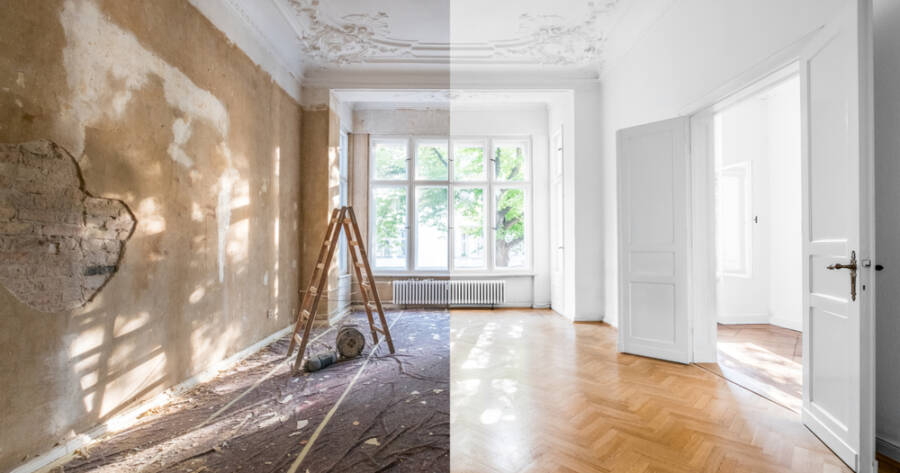
Renovating older homes offers a unique blend of challenges and opportunities, balancing historical charm with modern needs. From addressing structural repairs and outdated systems to enhancing energy efficiency and curb appeal, each project requires careful prioritization. Understand how to preserve the character of older homes while meeting contemporary standards for safety, functionality, and aesthetic appeal.
Understanding the Unique Needs of Older Homes
Renovating older homes presents a unique set of challenges and opportunities. These homes often boast architectural charm and historical significance, but they also come with outdated systems and materials that require careful attention.
The key to successful renovation lies in balancing the preservation of unique features with the need for modern updates. This includes addressing structural needs such as settling cracks and outdated electrical systems, which are common in aging homes (source).
Prioritizing Renovation Projects
When it comes to renovating older homes, prioritizing projects is crucial. Immediate attention should be given to structural repairs and updates to essential systems like plumbing and electrical wiring.
These foundational updates ensure safety and functionality, setting the stage for further improvements in high-impact spaces like kitchens and bathrooms (source). Additionally, older homes often do not meet current building codes, necessitating professional assessments to identify necessary updates for safety and compliance (source).
Balancing Preservation with Modernization
One of the most significant challenges in renovating older homes is deciding which original features to maintain versus modernize. Preserving elements like moldings and fireplaces can blend historical charm with modern comfort.
Meanwhile, modernizing kitchens and bathrooms with energy-efficient appliances and updated fixtures can enhance both functionality and aesthetic appeal (source). Open-concept kitchen conversions, for example, can enhance traffic flow and natural light, offering a high return on investment by modernizing the space and increasing market appeal (source).
Energy Efficiency and Modern Systems
Improving energy efficiency is a critical aspect of renovating older homes. This can be achieved by sealing gaps, adding insulation, and upgrading lighting and HVAC systems. These updates not only improve comfort but also reduce long-term utility costs.
Additionally, integrating smart home technology can enhance comfort and energy efficiency without compromising architectural integrity, appealing to modern buyers seeking both aesthetics and functionality (source).
Exterior Renovations and Curb Appeal
Exterior renovations play a vital role in enhancing the curb appeal and value of older homes. This includes replacing outdated roofing and windows, updating siding, and redesigning landscaping.
A new roof provides a solid foundation for other renovations, while new windows and siding improve both aesthetics and energy efficiency. Revamping the front door and creating a welcoming entryway can significantly enhance the home’s first impression (source).
Why You Should Learn More About Home Renovation Priorities
Understanding how renovation priorities shift as homes age is essential for anyone considering updating an older property. These homes offer a unique blend of historical charm and modern potential, but they require careful planning and execution to ensure safety, functionality, and aesthetic appeal.
By learning more about the specific needs of older homes, homeowners can make informed decisions that preserve the character of their property while meeting contemporary standards. Whether it’s updating essential systems, enhancing energy efficiency, or improving curb appeal, each renovation project contributes to the overall value and livability of the home.