

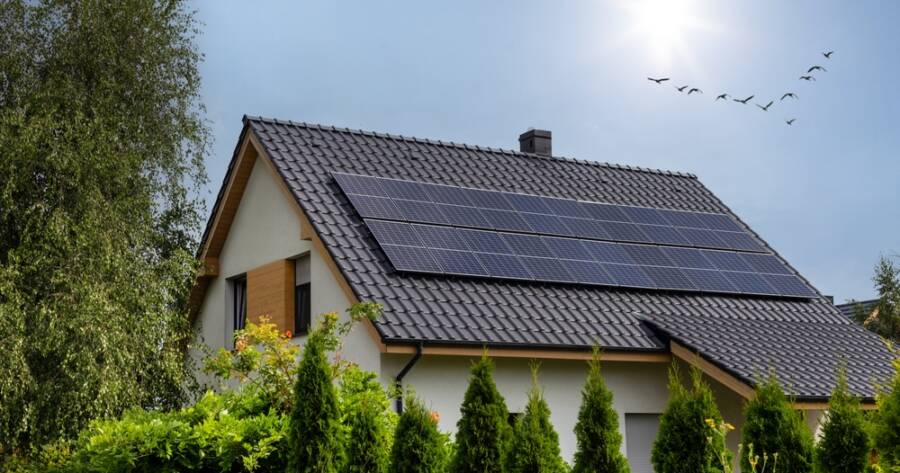
As electricity costs soar, solar energy emerges as a compelling solution for homeowners seeking to cut expenses and gain energy independence. By harnessing sunlight, solar panels offer substantial financial benefits, supported by government incentives and innovative financing options. Understand how assessing solar potential and installation can lead to long-term savings and sustainability.
Understanding Solar Energy Solutions for Your Home
As electricity costs continue to rise, many homeowners are exploring solar energy as a viable solution to reduce their monthly utility bills. Solar energy offers the potential to transform rising electricity costs into long-term savings by allowing homeowners to generate their own electricity.
This reduces reliance on utility companies and can significantly lower monthly energy expenses (source). By converting sunlight into electricity, solar panels can lead to substantial savings or even eliminate electricity bills entirely.
Financial Benefits of Solar Energy
The financial benefits of solar energy are substantial. On average, U.S. households can save around $1,500 annually by switching to solar energy, which aligns with the goal of turning rising electricity costs into savings (source).
Additionally, government incentives, such as state rebates, play a crucial role in reducing the initial cost of solar panel installation, making solar energy more accessible and affordable (source). These incentives, along with net metering programs that allow homeowners to sell excess solar energy back to the grid, further reduce electricity costs (source).
Assessing Solar Potential and Installation
Before installing solar panels, it is essential to assess the solar potential of a home. Factors such as the presence of shade from nearby trees, the size, shape, and slope of the roof, and its orientation are crucial in determining solar efficiency (source). Proper installation and maintenance of solar panels are essential for maximizing energy production and ensuring long-term financial benefits from solar energy (source).
Solar Energy and Grid Independence
Installing solar panels can lead to grid independence, reducing reliance on traditional power grids and offering protection against fluctuating energy prices and power outages (source). Solar battery storage systems enhance energy independence by storing excess energy for use during non-sunny periods, further reducing electricity costs. This capability is particularly beneficial in areas prone to power outages, as it allows homeowners to maintain an electricity supply during such events (source).
Financing Options and Payback Period
Various financing options, such as cash payments, personal loans, or power purchase agreements (PPAs), affect the solar payback period. Paying cash results in immediate savings after the system pays for itself, while loans and PPAs offer different financial benefits and savings timelines (source). The solar payback period is calculated by dividing the net cost of the solar system (after incentives) by the annual financial benefit. A shorter payback period indicates greater savings, especially as electricity costs rise.
Why You Should Learn More About Solar Energy Solutions Today
Exploring solar energy solutions for your home is a smart move in today’s world of rising electricity costs. With the potential for significant financial savings, increased energy independence, and environmental benefits, solar energy is an attractive investment for homeowners.
By understanding the financial incentives, assessing solar potential, and considering various financing options, homeowners can make informed decisions that lead to long-term savings and sustainability. As technology continues to advance and incentives evolve, staying informed about solar energy solutions is crucial for maximizing benefits and ensuring a sustainable future.